HVAC Services in Riviera Beach, FL

Fast, reliable HVAC repair, installation, and maintenance for homeowners in Riviera Beach—available 24/7 when you need us most.

Heating Installation in Riviera Beach, FL

Even in a warm-weather area like Riviera Beach, a dependable heating system matters when cooler temperatures arrive. Choosing new equipment involves more than replacing an older unit; the system needs to match your home's layout, existing HVAC components, and seasonal comfort needs. At Aztil Air Conditioning, we help property owners evaluate heating options and plan installations suited to South Florida homes. Our air conditioning services in Riviera Beach, FL support year-round comfort, including systems that provide both cooling and heating. Whether you are considering a heat pump or another compatible heating setup, our South Florida heating and air conditioning team can help you understand your options for heating installation in Riviera Beach.

Professional Heating Installation and Replacement in Riviera Beach

A successful heating installation starts with selecting equipment that works with the property rather than choosing a unit based on size or price alone. Our installation process considers the home's heating requirements, the condition of the existing HVAC system, and whether a heat pump or compatible electric heating equipment is the more practical option. Proper equipment selection helps support dependable operation without overlooking the cooling performance that remains important throughout much of the year.

Before installation, the system's electrical capacity, duct condition, thermostat compatibility, and available equipment space should all be evaluated. These details affect which models can be installed and whether adjustments to existing components are needed. Our professional heater installation services are designed to help property owners choose suitable equipment and have it fitted and commissioned with attention to system compatibility, airflow, and reliable operation.

When to Consider Replacement

Signs You Need a New Heating System

Heating equipment may show signs of declining performance before it stops working completely. In Riviera Beach, a system that struggles during cooler weather can still affect indoor comfort and energy use, even if it only operates for part of the year. Recognizing recurring problems can help you determine when it is worth evaluating a replacement.

01

Some Rooms Stay Cold

If certain rooms remain uncomfortable even when the thermostat is calling for heat, your equipment may not be distributing warmth effectively. The cause could involve inadequate system capacity, aging components, duct problems, or an issue with the controls. Persistent uneven heating deserves an inspection to determine whether the system can be corrected or needs replacement.

02

Repeated Shutdowns or Long Heating Cycles

A heater that shuts down repeatedly or runs for extended periods without reaching the set temperature may be having difficulty meeting your home's heating demand. Equipment wear, control problems, restricted airflow, or an improperly sized system can contribute to this behavior. If the problem continues, a technician can assess whether repair or replacement is the more practical option.

03

Repairs Are Becoming Frequent

Occasional service is part of owning an HVAC system, but repeated repair visits can become a concern when the same equipment continues developing problems. If components keep failing or repair needs are becoming more frequent, compare the cost and expected reliability of continued repairs with the value of installing a new heating system.

04

Energy Use Keeps Increasing

An unexplained increase in energy use may indicate that your heating equipment is working harder to deliver the same level of comfort. Worn components, reduced efficiency, poor airflow, or control issues can all affect operating performance. Comparing energy use over similar periods and checking the system's condition can help identify whether aging equipment is contributing to the change.

05

A Major Component Has Failed

Failure of a major heating component can make replacement worth considering, particularly when the equipment is older or has a history of recurring problems. The right decision depends on the nature of the failure, the condition of the remaining system, repair costs, and whether replacement equipment would provide a more dependable long-term solution.

Not Every Heating Problem Requires a New System

Symptoms such as uneven temperatures, unexpected shutdowns, or poor heating performance do not automatically mean your equipment needs replacement. A thermostat malfunction, electrical issue, or restricted airflow may be repairable without installing a new system. Having the equipment evaluated first can help establish the actual cause and avoid replacing a system that may still be serviceable.

Heating System Options

Choosing the Right Heating Equipment for Your Home

Heating equipment in Riviera Beach should be selected with the area's mild winters and year-round cooling needs in mind. Heat pumps are a practical option for many homes because they can provide both heating and air conditioning. Other properties may be better suited to compatible electric heating equipment. The right choice depends on your home's existing HVAC setup, electrical capacity, comfort requirements, and equipment compatibility.

Heating Option 01

Heat Pump Installation

A heat pump transfers heat rather than generating it through electric resistance. During cooler weather, it draws available heat from outdoor air and moves it indoors. When temperatures rise, the process reverses to remove heat from the home and provide air conditioning. This allows one system to handle both sides of South Florida's changing seasonal comfort needs.

Because Riviera Beach generally has mild winters and substantial cooling demands, a heat pump can be a practical year-round option.

Cooling Efficiency SEER2

Measures seasonal cooling efficiency.

Heating Efficiency HSPF2

Measures seasonal heating efficiency.

When comparing equipment, homeowners should consider both ratings to understand how a system performs across its two operating modes. The home's existing indoor equipment, ductwork, electrical connections, and controls must also be compatible with the selected model. Learn more about available heat pump services when evaluating this type of system for your property.

Heating Option 02

Electric Heating and Existing Air Handlers

Some HVAC systems use electric resistance heating elements installed inside the air handler. When the heating mode is activated, these elements warm the air as the blower circulates it through the home's ductwork.

This arrangement may be suitable for properties with limited seasonal heating demand, depending on operating costs and the condition of the existing equipment.

Before selecting this option, the electrical circuit must be checked to confirm it can support the heating elements. The air handler, thermostat controls, and airflow also need to meet the equipment manufacturer's requirements.

An existing cooling system does not automatically mean that a particular electric heating setup can be added without modifications.

Planning Your Installation

Matching Equipment to Your Home

The best heating system is not necessarily the one with the highest efficiency rating or the largest capacity. Equipment needs to be selected around the home's actual heating requirements and the way its existing HVAC components work together.

A system that is not properly matched can struggle to maintain comfort or operate less efficiently than expected.

A professional evaluation should account for the home's layout, insulation, windows, duct condition, electrical service, and thermostat compatibility.

These details help determine whether a heat pump, electric heating elements, or another compatible configuration is suitable for the property. Reviewing these factors before installation helps avoid choosing equipment that requires unexpected modifications or cannot deliver the performance your home needs.

Why Equipment Compatibility Matters

Heating equipment must work with the rest of your HVAC system. Evaluating the home's existing components and heating requirements before installation helps establish which options are suitable and what modifications, if any, may be needed.

The Installation Process

What to Expect During Heating Installation

A successful heating installation involves more than connecting new equipment. The system must be selected for the home's heating requirements, matched with compatible HVAC components, and tested to confirm proper operation. Understanding the process helps Riviera Beach homeowners know what happens before, during, and after installation.

Every Installation Starts With Evaluating Your Home

Before recommending equipment, the installation team should assess the property's existing HVAC setup and heating needs. This includes reviewing the home's layout, insulation, windows, ductwork, and available electrical capacity.

The evaluation helps determine the appropriate equipment capacity and whether existing components can be reused or need modifications. It also provides an opportunity to identify access, clearance, or installation requirements before work begins.

Five Steps in a Professional Heating Installation

STEP 01

Home and System Evaluation

The technician reviews the home's heating requirements, insulation, windows, duct condition, existing equipment, and electrical setup. This information helps establish which systems are suitable for the property.

STEP 02

Equipment Selection

Based on the evaluation, the appropriate system is selected according to capacity, efficiency, and compatibility with the home's existing components. The goal is to choose equipment that can provide dependable comfort without being improperly sized.

STEP 03

Installation Preparation

Before installation, the work area is prepared and the required electrical connections, mounting arrangements, equipment clearances, and access points are reviewed. Any necessary adjustments are addressed before the new system is fitted.

STEP 04

Equipment Installation

The old equipment is removed when replacement is required, and the new heating system is positioned and connected. Components are installed according to manufacturer specifications and applicable installation requirements.

STEP 05

System Testing

After installation, the technician checks thermostat operation, airflow, heating performance, and applicable safety controls. Testing helps confirm that the equipment starts, operates, and responds to the system controls as expected.

Local Installation Considerations

Heating Installation for Riviera Beach's Coastal Climate

Heating equipment in Riviera Beach must be selected and installed with the area's coastal conditions in mind. Although winters are generally mild, outdoor heat pump components remain exposed to salt air, humidity, and weather throughout the year. Installation decisions should account for these conditions while also supporting the home's substantial cooling needs.

Coastal Exposure Matters When Installing Outdoor Equipment

Properties near the Atlantic Ocean and Lake Worth Lagoon can experience airborne salt exposure. Over time, salt deposits may contribute to corrosion on outdoor heat pump coils, fasteners, and other exposed metal components. Equipment placement and manufacturer-approved corrosion protection options should be considered when selecting and installing a system.

Riviera Beach's humidity also makes moisture management important. A properly installed heat pump must support effective cooling and dehumidification during warmer months, with suitable airflow, condensate drainage, and equipment clearances.

Salt Air and Corrosion Protection

Outdoor heat pump components can be exposed to salt carried through coastal air. When choosing equipment, homeowners should consider manufacturer-approved protective coatings and materials designed for coastal environments. Proper placement, sufficient clearance, and access for routine cleaning can also help keep outdoor components in better condition.

Humidity, Airflow, and Moisture Management

Even when heating demand is limited, the installed system must handle extended cooling periods and high indoor moisture loads. Correct equipment sizing, unobstructed airflow, proper condensate drainage, and appropriate outdoor unit clearance all contribute to dependable year-round operation.

Long-Term System Care

Protect Your New Heating System With Regular Maintenance

A newly installed heating system still needs routine attention to maintain reliable operation. In Riviera Beach, heat pumps may run throughout the year to provide both heating and cooling, exposing components to extended operating hours, humidity, and outdoor conditions. Regular maintenance helps identify developing issues, maintain airflow, and keep equipment operating according to manufacturer recommendations.

Routine System Care

Keep Filters, Airflow, and Components in Good Condition

Air filters collect dust and airborne particles as air circulates through the system. When a filter becomes clogged, restricted airflow can place additional strain on the equipment. Check filters regularly and replace or clean them according to the filter type and manufacturer's recommendations. Supply vents and return grilles should also remain unobstructed.

Maintenance should also include checking accessible electrical connections, thermostat operation, system controls, and other components involved in normal operation. Identifying developing problems early can help prevent avoidable interruptions.

Coastal Climate Considerations

Keep Equipment Clean and Moisture Drainage Clear

Outdoor heat pump coils can collect dirt, leaves, and coastal debris that interfere with airflow and heat transfer. Indoor components and condensate drainage also need attention, particularly in a humid climate where cooling operation produces moisture. Routine cleaning and drain inspections help the system manage these conditions.

Because heat pumps in Riviera Beach may provide cooling for much of the year and heating during cooler periods, maintenance should account for both operating modes. Following the manufacturer's service recommendations helps prepare the equipment for seasonal changes.

Scheduled Maintenance

Make Preventive Care Part of Your HVAC Routine

Waiting until a system stops working can leave problems undiscovered until they affect comfort. Scheduled maintenance gives a technician an opportunity to review equipment condition, inspect important components, and identify concerns that may need attention.

For additional information about ongoing HVAC care, explore Aztil's AC maintenance in Riviera Beach, FL services.

Elite Cool Membership

Stay on Schedule With Two Maintenance Visits Each Year

Aztil Air Conditioning's Elite Cool Membership includes two maintenance visits per year, scheduled approximately six months apart. These visits provide regular opportunities to review system condition and address maintenance needs throughout the year.

The specific heating checks performed depend on the equipment installed in your home. Ask the Aztil team which heat pump or electric heating components are included in the maintenance service, and continue following the manufacturer's recommended maintenance schedule.

Consistent maintenance helps your new heating system remain prepared for cooler weather while supporting the cooling performance Riviera Beach homes depend on throughout the rest of the year.
Heating Installation Questions and Answers

Frequently Asked Questions About Heating Installation in Riviera Beach

Choosing a new heating system involves more than comparing equipment options. Home size, existing HVAC components, and local climate conditions all influence the installation. These answers address common questions Riviera Beach homeowners may have before replacing or upgrading their heating equipment.

How do I know what size heating system my home needs?

The right system size depends on more than your home's square footage. A proper assessment considers factors such as insulation, window size and placement, air leakage, layout, and the home's heating requirements. An oversized system may cycle on and off too frequently, while an undersized unit may struggle to maintain comfortable temperatures. A professional load assessment helps determine the appropriate equipment capacity for your property.

Can a heat pump replace my existing air conditioner and heater?

Yes. A heat pump can provide both heating and cooling, potentially replacing separate air conditioning and heating equipment. However, the existing indoor equipment, electrical connections, ductwork, and thermostat controls must be compatible with the selected system. A technician should evaluate these components before recommending a replacement and identify whether any modifications are needed for proper installation.

When is the best time to install a new heater in Riviera Beach?

Planning your installation before cooler weather arrives gives you more time to compare equipment options and arrange any necessary electrical or ductwork modifications. Since Riviera Beach has relatively mild winters, homeowners may not need to wait until temperatures drop to consider a replacement. Scheduling ahead also helps ensure your system is ready when you need additional indoor heating.

Aztil Air Conditioning

Schedule Heating Installation in Riviera Beach, FL Today

Whether you're replacing an aging heating system or considering a new heat pump, choosing the right equipment can make a difference in your home's year-round comfort. Aztil Air Conditioning provides professional heating installation services for homeowners throughout Riviera Beach.

Our family-owned and operated team can help assess your home's heating requirements, review compatible equipment options, and plan your installation. Contact Aztil to discuss your project and arrange a consultation with our team.

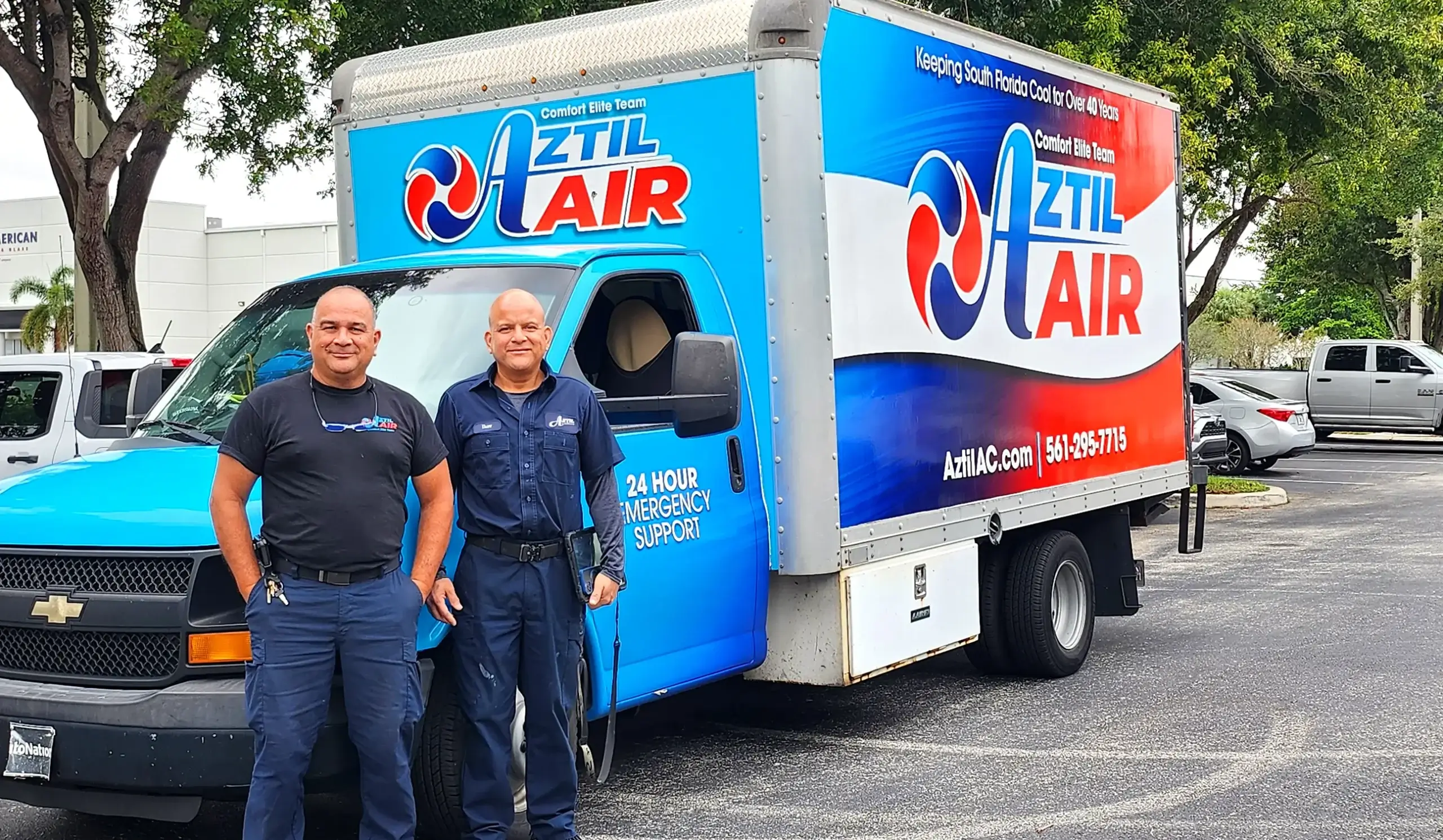
Aztil Air Conditioning team standing beside their service truck